Safe driving technique and road safety for taxi drivers
TaxiTeori · 6 min read · Last updated 2026-07-29
Defensive driving, fatigue management and safe boarding and alighting – the professional driver's road safety in practice.
Defensive driving as a professional
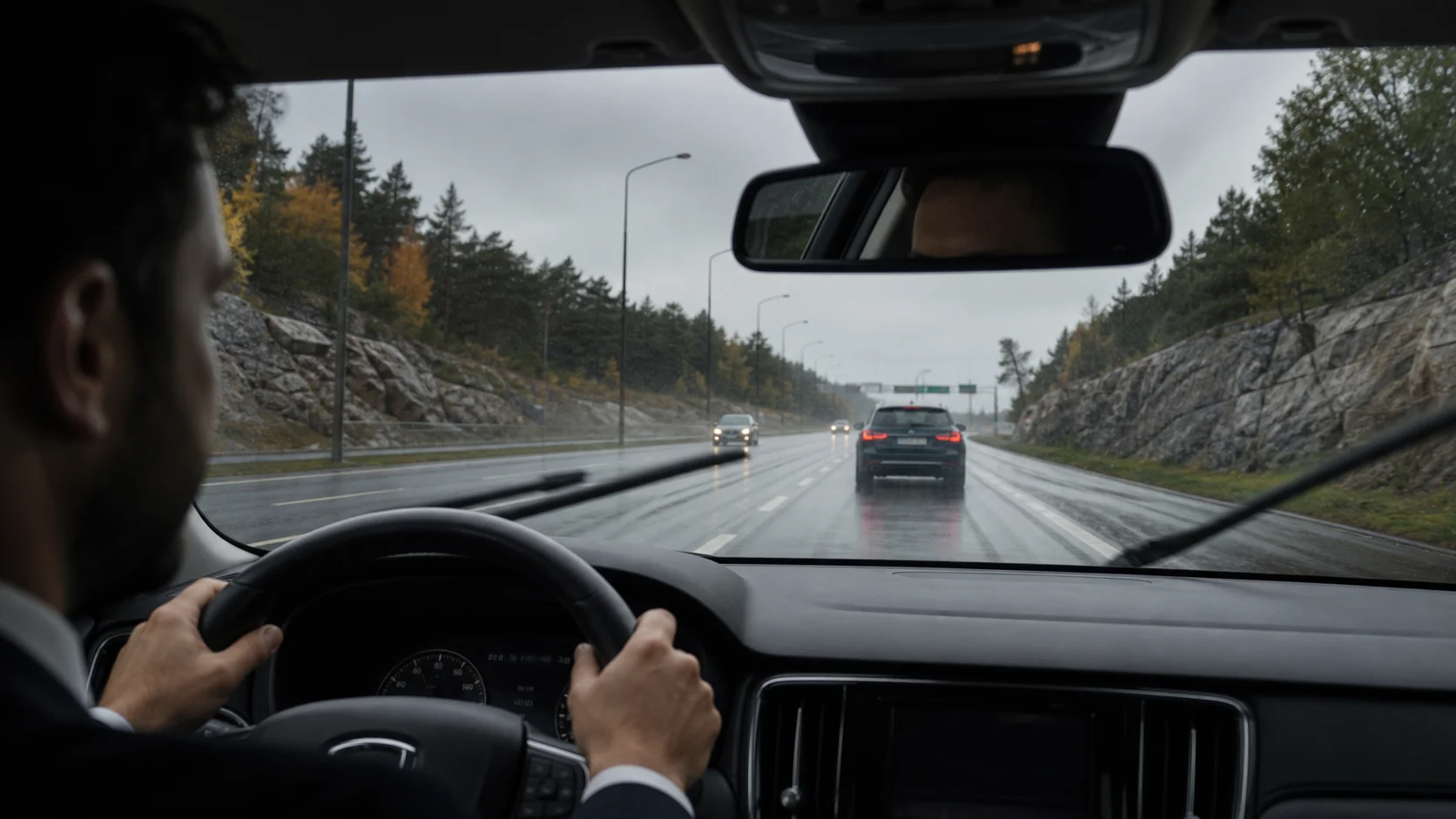
As a taxi driver you cover far more kilometres than most, and so your exposure to risk also rises. Defensive driving – keeping distance, reading traffic ahead and planning for others' mistakes – is the foundation of safe professional driving. Risk awareness is about seeing danger before it arises, not reacting only when it is already too late.
Fatigue and long shifts
Fatigue is one of the most serious risks in the job, especially with night and shift work that disrupts the body clock. Plan in breaks, avoid driving when you are really tired and learn to recognise early signs such as yawning and losing focus. No single trip is worth risking safety for.
Passengers and safety in traffic
Much of the taxi-specific risk arises at boarding and alighting: passengers who open the door onto a cycle lane, step into the traffic lane or pressure you to stop unsuitably. Drop off at a traffic-safe spot even if the customer wants otherwise, and watch for cyclists and pedestrians around the car. Your judgement weighs more than a single customer's wish.
How it links to the exam
Safety is a subject of its own in test 1 and traffic legislation is half of test 2, so this knowledge is directly exam-relevant. The questions test that you know the rules and that you can apply safety thinking in practical situations. What you learn for the exam is therefore the same thing that keeps you safe at work.
Try the system – 10 questions